Featured

The Genuine Expense of Overlooking Financial Obligation: How Expert Therapy Solutions Are Altering Financial Healing
Table of Contents
- – The Growing Need for Financial Obligation Forg...
- – Bankruptcy Counseling: The Misunderstood Safeg...
- – Contrasting Your Financial Debt Relief Options
- – What Sets Nonprofit Therapy Apart
- – Indication of Aggressive Financial Obligation ...
- – Taking the Initial Step Towards Recuperation
- – The Course Forward
Financial stress and anxiety has come to be a defining attribute of modern American life. With total charge card financial obligation going beyond $1.21 trillion and the typical cardholder owing greater than $6,500, countless people discover themselves trapped in cycles of minimal repayments and worsening passion. When credit history card rate of interest float around 23%, also moderate balances can balloon right into overwhelming concerns within months.
For those sinking in the red, the inquiry isn't whether to seek assistance-- it's locating the best kind of aid that will not make matters worse.
The Growing Need for Financial Obligation Forgiveness Solutions
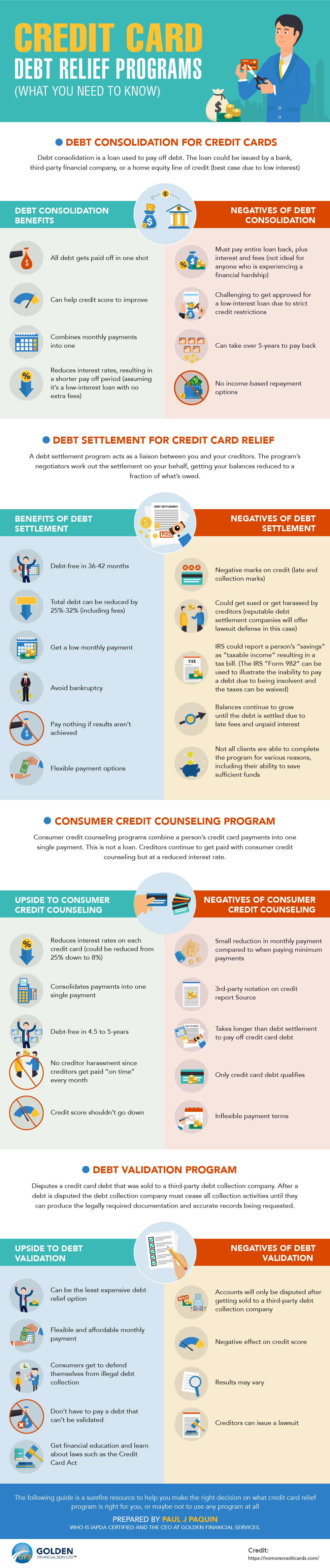
Financial debt mercy has actually become one of the most searched economic topics online, and for good factor. The concept of resolving financial debts for much less than the sum total owed deals authentic hope to people who see no sensible course to paying their balances in full.
The process typically functions such as this: when bank card accounts go unpaid for 120 days or even more, financial institutions often bill off the debt. At this phase, they might approve lowered settlements to recover a minimum of a part of what's owed. Successful negotiations can decrease balances by 30% to 50%, depending upon the lender and your demonstrated economic hardship.
However, financial obligation forgiveness isn't cost-free money. Settled accounts appear on credit rating reports as "" paid much less than full equilibrium,"" which impacts your score. Furthermore, forgiven amounts going beyond $600 might be reported to the IRS as gross income. Comprehending these trade-offs prior to seeking settlement is vital.
Bankruptcy Counseling: The Misunderstood Safeguard
Personal bankruptcy lugs substantial stigma, yet it remains a legit lawful tool developed to offer overwhelmed individuals a real clean slate. What lots of people don't realise is that government regulation requires two counseling sessions prior to and after filing-- and these sessions exist especially to ensure you're making an informed decision.
Pre-bankruptcy credit counseling involves a detailed testimonial of your earnings, financial debts, and expenditures. Certified therapists existing choices you might not have thought about, including debt management programs or difficulty settlements. This isn't about preventing bankruptcy; it's concerning verifying it's genuinely your best alternative.
Post-bankruptcy debtor education prepares you for economic success after discharge. You'll learn budgeting methods, saving methods, and credit report rebuilding comes close to developed to stop future economic difficulties.
Organisations like APFSC offer both needed programs, with fees around $19.99 per session unless you get challenge waivers. Their licensed counselors offer same-day certificates, and sessions normally run 60 to 90 minutes. This access issues when you're already worried regarding funds.
Contrasting Your Financial Debt Relief Options
Comprehending the landscape of debt alleviation assists you make educated choices. Each approach lugs distinctive advantages and disadvantages.
Debt Monitoring Programs consolidate numerous unsafe financial debts into solitary monthly repayments. Counselors negotiate with creditors to possibly minimize rates of interest without requiring new fundings. Most clients complete these programs within 3 to 5 years. The primary advantage is paying financial debts in complete while reducing complete rate of interest paid.
Financial obligation Settlement works out minimized payoff amounts, usually 30% to 50% much less than owed. This method calls for quiting settlements to creditors while building up settlement funds, which harms credit rating during the process. Outcomes vary based upon creditor willingness and your demonstrated hardship.
Insolvency provides court defense while eliminating or restructuring financial debts. Phase 7 liquidates particular possessions to discharge unprotected debts rapidly. Chapter 13 develops three-to-five-year payment plans for those with regular revenue. Insolvency stays on debt reports for seven to 10 years however supplies the most detailed new beginning.
Credit rating Therapy provides education and learning and guidance without necessarily enrolling in formal programs. Certified therapists assess your complete economic image and recommend appropriate following steps, which could include any one of the above choices.
What Sets Nonprofit Therapy Apart
The difference between nonprofit and for-profit financial debt alleviation companies matters significantly. Nonprofit firms like those licensed by the National Structure for Credit History Counseling (NFCC) run under rigorous moral standards and charge guidelines. Their counselors go through extensive certification and has to recertify every two years.
For-profit financial debt settlement firms, conversely, may charge fees ranging from 15% to 25% of enlisted debt equilibriums. Some employ hostile sales strategies and make impractical guarantees regarding outcomes. The Consumer Financial Protection Bureau has recorded many problems about predative practices in this sector.
APFSC runs as a nonprofit counseling firm, using free debt administration appointments and controlled costs for ongoing services. Their HUD-approved housing therapists add worth for those dealing with repossession along with general financial obligation concerns. Providers are available in English, Spanish, and Portuguese, increasing access to underserved neighborhoods.
Study sustains the performance of nonprofit therapy. A research study appointed by the NFCC located that credit scores counseling customers reduced rotating financial debt by $3,600 even more than comparison groups during the 18 months following their sessions. Nearly 70% of individuals reported enhanced finance and higher monetary self-confidence.
Indication of Aggressive Financial Obligation Relief Services
Not all financial debt relief business have your finest interests in mind. Identifying red flags shields you from making a tight spot even worse.
Beware of firms that ensure details results. No legit solution can assure exact negotiation portions or timeline warranties because end results depend upon private creditors and situations.
Stay clear of any business requiring big in advance fees prior to giving services. Legit nonprofit counseling uses free initial appointments, and for-profit settlement business are legally prohibited from collecting fees till they effectively work out at least one financial obligation.
Concern any person recommending you to stop connecting with financial institutions entirely without describing the effects. While critical communication pauses sometimes support arrangements, full evasion can cause suits, wage garnishment, and added damage.
Legit agencies explain all choices truthfully, consisting of alternatives that could not involve their paid solutions. If a firm presses just one remedy despite your scenario, look for guidance elsewhere.
Taking the Initial Step Towards Recuperation
Financial healing begins with truthful assessment. Collect your newest declarations for all financial obligations, compute your complete commitments, and assess your sensible regular monthly repayment ability. This info creates the foundation for any effective counseling session.
Think about organizing cost-free consultations with numerous not-for-profit agencies prior to dedicating to any kind of program. Compare their referrals, cost frameworks, and communication styles. The right counseling connection need to feel supportive instead than pressing.
Organisations like APFSC offer on the internet conversation, phone examinations, and comprehensive intake processes developed to comprehend your special scenario prior to advising remedies. Their financial obligation management calculator helps you visualise possible timelines and savings before enlisting.
The Course Forward
Overwhelming financial obligation does not specify your future-- but neglecting it will. Whether debt mercy, insolvency therapy, or structured financial debt monitoring makes sense for your circumstance relies on factors one-of-a-kind to your conditions.
Professional guidance from accredited nonprofit counselors lights up choices you might never ever discover separately. These solutions exist especially to aid people like you browse complex financial difficulties without aggressive costs or unrealistic assurances.
The ordinary American having problem with financial obligation waits much also long before looking for assistance, permitting rate of interest to compound and choices to slim. Each month of delay prices cash and expands your recuperation timeline.
How Nurses Can Qualify for Loan Forgiveness and Debt Relief ProgramsYour first conversation with a qualified therapist costs nothing yet can change everything. Financial freedom isn't booked for the fortunate-- it's offered to any individual ready to take that initial action towards comprehending their alternatives and committing to a practical strategy.

Table of Contents
- – The Growing Need for Financial Obligation Forg...
- – Bankruptcy Counseling: The Misunderstood Safeg...
- – Contrasting Your Financial Debt Relief Options
- – What Sets Nonprofit Therapy Apart
- – Indication of Aggressive Financial Obligation ...
- – Taking the Initial Step Towards Recuperation
- – The Course Forward
Latest Posts

Fascination About Non-Profit Relief Organizations Explained

The Ultimate Guide To Hidden Costs to Look For
How Ignoring Your Debt Problems May Cost You Things To Know Before You Buy
More
Latest Posts
Fascination About Non-Profit Relief Organizations Explained
The Ultimate Guide To Hidden Costs to Look For
How Ignoring Your Debt Problems May Cost You Things To Know Before You Buy